Article
Building an Effective IT Organization in Coal Mining: A Strategic Framework for Growth
Author: Agus Budi Harto, 2026-02-02 16:54:38
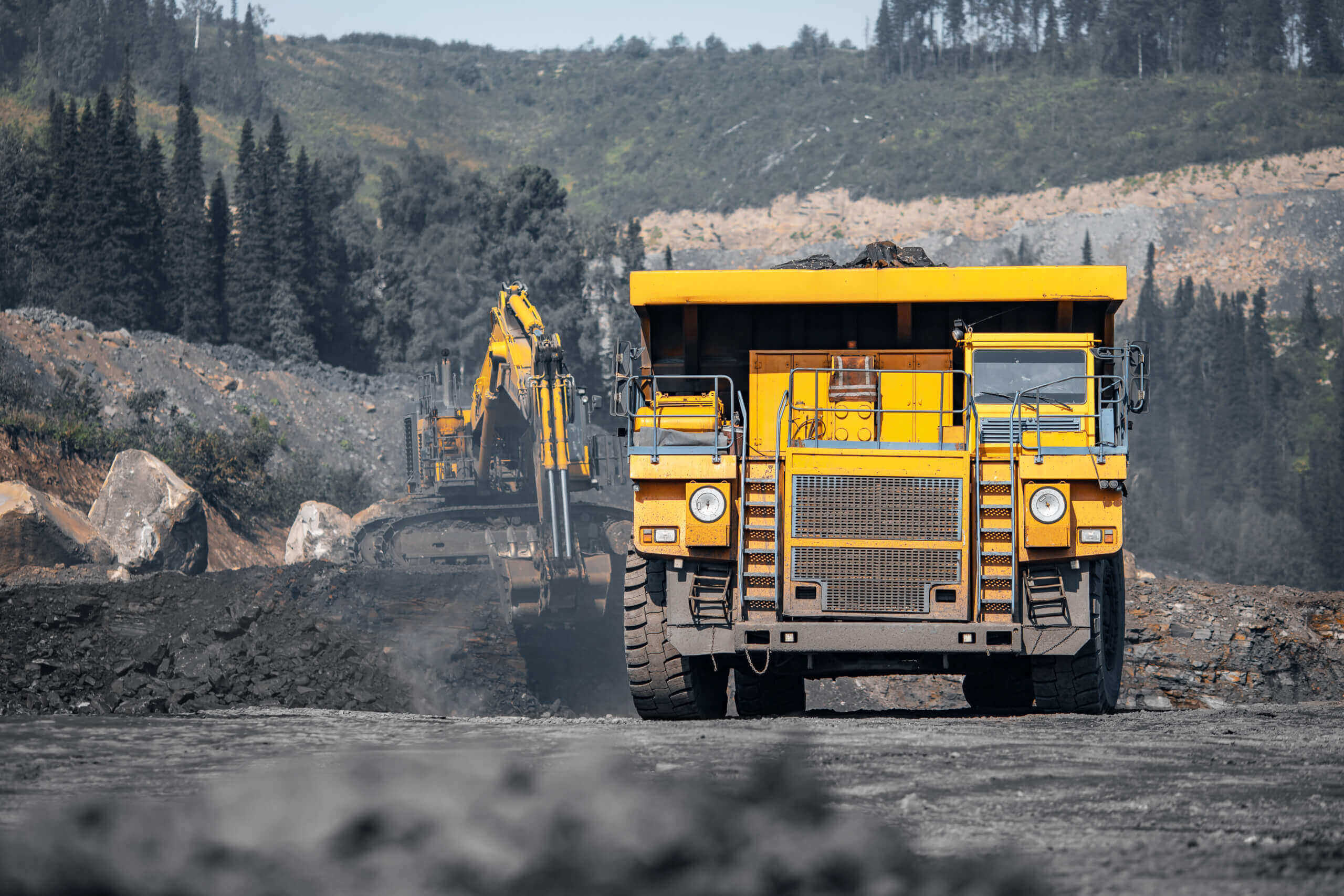
In today's rapidly evolving digital landscape, information technology has transformed from a mere support function into a critical strategic enabler for business success. This transformation is particularly pronounced in capital-intensive industries such as coal mining, where operational efficiency, safety, and regulatory compliance are paramount. Yet, many coal mining companies struggle with IT organizations that grow sporadically, shaped more by reactive decision-making than by strategic planning. The quality and direction of IT growth often depend heavily on individual leadership rather than established frameworks and best practices.
This challenge raises a fundamental question: How can IT organizations within coal mining companies—particularly in complex regulatory environments like Indonesia—develop systematically to become effective, efficient, and revenue-enhancing business partners? The answer lies in adopting internationally recognized IT governance frameworks while adapting them to the unique operational and regulatory context of the coal mining industry.
The Strategic Imperative: Why IT Governance Matters in Mining
Coal mining operations generate vast amounts of data across multiple domains: geological surveys, equipment monitoring, production metrics, safety records, environmental compliance, and supply chain logistics. Without a structured IT organization guided by proven frameworks, companies risk developing fragmented systems that create data silos, introduce security vulnerabilities, and fail to deliver business value. More critically, sporadic IT growth can lead to misaligned investments where technology spending fails to support core business objectives or regulatory requirements.
The mining industry faces unique IT challenges that amplify the need for structured governance. Operations often span remote locations with challenging connectivity. Equipment operates in harsh environments where system reliability is critical to both productivity and safety. Regulatory compliance requirements, particularly in markets like Indonesia with stringent environmental and export regulations, demand robust data management and reporting capabilities. These factors make it essential to build IT organizations on solid governance foundations rather than allowing them to evolve haphazardly.
Foundation Frameworks: COBIT, ITIL, and ISO 27001
COBIT 2019: The Governance Backbone
COBIT (Control Objectives for Information and Related Technologies) 2019 has demonstrated proven success in the mineral mining sector, particularly for enhancing information security risk management and ensuring compliance with policies and regulations. This framework provides a comprehensive approach to IT governance that aligns technology investments with business objectives while managing risks and optimizing resources. For coal mining companies, COBIT offers particular value in four critical areas that directly impact operational effectiveness and revenue generation.
Strategic Alignment represents the cornerstone of COBIT's value proposition. The framework ensures that every technology investment and initiative ties directly to business objectives, whether that's increasing production efficiency, reducing operational costs, improving safety outcomes, or meeting regulatory requirements. This alignment prevents the common pitfall of IT becoming a cost center that operates independently from business strategy. Instead, IT becomes an integral partner in achieving corporate goals, with clear metrics that demonstrate contribution to revenue growth and operational excellence.
Risk Management takes on heightened importance in mining operations where the consequences of IT failures can be severe. COBIT's structured approach to risk management helps organizations identify, assess, and mitigate risks across the IT landscape. This includes cybersecurity threats to operational technology systems, data integrity risks that could affect production decisions, and compliance risks that might result in regulatory penalties or operational shutdowns. By implementing COBIT's risk management processes, mining companies can protect critical systems while maintaining the agility needed to adopt new technologies.
Resource Optimization addresses the perennial challenge of doing more with less. COBIT provides frameworks for portfolio management, capacity planning, and resource allocation that help IT leaders make data-driven decisions about where to invest limited budgets and personnel. This is particularly valuable for mining companies where IT budgets must compete with large capital projects for equipment and infrastructure. By demonstrating clear return on investment and strategic value, IT organizations can secure appropriate funding while eliminating wasteful spending on redundant systems or misaligned projects.
Implementation of COBIT should follow a phased approach, starting with capability assessments that establish current state maturity levels and identify gaps. Research shows that mining companies can begin with fundamental capabilities at level 2-3, focusing on domains such as EDM03 (Ensured Risk Optimization), APO13 (Managed Security), and MEA03 (Managed Compliance), with a target of reaching level 4 maturity. This progressive approach allows organizations to build competencies systematically rather than attempting wholesale transformation that often fails due to complexity and resistance to change.
ITIL: Excellence in IT Service Management
While COBIT provides the governance framework, ITIL (Information Technology Infrastructure Library) offers the operational excellence methodology that ensures IT delivers high-quality services to the mining operation. ITIL's focus on service design, service transition, operations, and continual improvement creates a structured approach to managing the day-to-day delivery of IT services. In the mining context, this translates to reliable systems that support 24/7 operations, rapid response to incidents that could disrupt production, and continuous improvement processes that keep IT services aligned with evolving business needs.
Service Design principles ensure that new IT services are properly architected from the outset, considering availability requirements, capacity needs, security implications, and integration with existing systems. For a mining operation implementing a new fleet management system, this means designing the service to handle the unique demands of mining vehicles, integration with maintenance systems, and providing real-time data to operations managers. Service Transition processes ensure these services are tested, documented, and deployed with minimal disruption to ongoing operations.
Operations management, the heart of ITIL, focuses on ensuring services run smoothly day-to-day. This includes incident management to quickly resolve issues affecting production systems, problem management to address root causes rather than just symptoms, and event management to proactively identify and prevent potential failures. In mining operations where equipment downtime can cost millions of dollars per day, effective operational processes can deliver substantial financial benefits while improving user satisfaction and system reliability.
ISO 27001: Protecting Critical Assets
The increasing digitalization of mining operations brings corresponding cybersecurity risks that can threaten not just data integrity but operational safety and business continuity. ISO/IEC 27001 provides a comprehensive framework for establishing, implementing, maintaining, and continually improving an Information Security Management System. For coal mining companies, this standard is essential given the sensitive nature of geological data, the critical importance of operational technology systems controlling equipment and processes, and the regulatory requirements around data protection and privacy.
Implementing ISO 27001 involves conducting thorough risk assessments that identify vulnerabilities in both information technology and operational technology systems. Mining companies must consider threats ranging from sophisticated cyber attacks targeting intellectual property and operational systems to insider threats and simple human error. The framework guides organizations in implementing appropriate controls based on risk levels, from access management and encryption to network segmentation and incident response capabilities. Certification to ISO 27001 also provides assurance to stakeholders, including customers, investors, and regulators, that the organization takes information security seriously.
The Three-Phase Growth Roadmap
Transforming an IT organization from sporadic growth to strategic enabler requires a structured roadmap that acknowledges the current state while building toward a mature future. Based on industry best practices and successful implementations in the mining sector, organizations should consider a three-phase approach spanning four to six years. Each phase builds upon the previous one, creating sustainable capabilities that deliver increasing business value over time.
Phase 1: Foundation (Years 1-2)
The foundational phase focuses on establishing governance structures, assessing current capabilities, and securing critical infrastructure. Success in this phase creates the platform for all future growth and transformation initiatives. The key is to balance quick wins that demonstrate value with longer-term structural improvements that may take time to show results.
Governance Structure formation begins with creating an IT Steering Committee that includes representation from all major business units. This committee provides the forum for aligning IT strategy with business needs, prioritizing investments, and resolving conflicts over resources or priorities. Clear definition of roles and responsibilities is essential, from the Chief Information Officer down to specialized positions in security, infrastructure, and application development. Documenting these roles and establishing clear reporting lines prevents the confusion and turf battles that often plague IT organizations in growth mode.
Assessment and Gap Analysis using the COBIT framework provides an objective view of current IT capabilities compared to target states. This assessment identifies both critical weaknesses that require immediate attention and opportunities for quick wins that can build momentum and demonstrate value. The assessment should cover all aspects of IT operations, from infrastructure and applications to processes and people capabilities. The resulting gap analysis becomes the roadmap for the foundation phase and inputs into longer-term planning.
Infrastructure and Security investments must prioritize systems that are critical to mining operations. This includes protecting SCADA systems and other operational technology that controls equipment and processes, implementing robust backup and disaster recovery capabilities to ensure business continuity, and establishing network security and access controls that protect sensitive data while enabling productivity. These investments may not be glamorous, but they create the stable foundation necessary for future digital transformation initiatives.
Phase 2: Growth (Years 2-4)
With governance established and critical infrastructure secured, the growth phase focuses on digital transformation initiatives that directly improve operational efficiency and enable new capabilities. This phase is where IT begins to demonstrate clear impact on revenue and competitive advantage.
Digital Transformation Initiatives bring modern technologies to bear on traditional mining challenges. Integration of next-generation technologies such as 5G networks, big data analytics, and blockchain can fundamentally transform how resources are exploited and utilized. Internet of Things sensors deployed across mining equipment enable predictive maintenance strategies that reduce unplanned downtime and extend asset life. Advanced data analytics transforms raw operational data into actionable insights that optimize production, reduce costs, and improve safety outcomes. These technologies move beyond automation of existing processes to enable entirely new ways of working.
Process Optimization leverages technology to eliminate manual work and improve process efficiency. Automation of administrative processes and reporting reduces the time knowledge workers spend on routine tasks, freeing them to focus on higher-value activities. Integration with enterprise resource planning systems creates a single source of truth for financial and operational data, eliminating redundancy and improving decision-making. Real-time monitoring and dashboarding give managers visibility into operations, enabling faster response to issues and more informed decisions about resource allocation and production planning.
Compliance and Risk Management capabilities mature during this phase through implementation of formal Information Security Management Systems aligned with ISO 27001. Regular audits and assessments ensure controls remain effective and adapt to evolving threats. Particular attention must be paid to compliance with Indonesian mining regulations, including the Minerba Law and environmental requirements. Building these compliance capabilities into IT systems creates efficiency through automation while reducing the risk of costly violations or operational disruptions.
Phase 3: Maturity (Years 4+)
The maturity phase represents the transition of IT from a well-run service organization to a source of competitive advantage and innovation. At this stage, the IT organization has credibility across the business, established processes and governance, and the foundation necessary to pursue advanced technologies and strategic initiatives.
Advanced Analytics and Artificial Intelligence capabilities transform how the company approaches key challenges. Predictive analytics applied to geological data can identify promising exploration areas and optimize extraction strategies. Artificial intelligence algorithms can optimize supply chain and logistics operations, reducing transportation costs and improving delivery reliability. Machine learning models can enhance quality control processes, identifying defects or contamination earlier in the process when they're less costly to address. These advanced capabilities create differentiation in a competitive market while delivering measurable financial benefits.
Innovation and Continuous Improvement become embedded in the IT culture and processes. Dedicated research and development efforts explore emerging technologies and their potential application to mining operations. Strategic partnerships with technology vendors provide early access to new capabilities and influence product development to better serve mining needs. Knowledge management systems capture and share learnings across the organization, preventing the reinvention of solutions and accelerating the adoption of best practices. This innovation focus ensures the IT organization continues to evolve and deliver increasing value over time.
Critical Success Factors
Research and practical experience demonstrate that successful IT transformation depends on several critical factors beyond the technical frameworks themselves. Organizations that address these success factors proactively are far more likely to achieve their transformation goals and realize the full value of their IT investments.
Leadership Support and Commitment from senior management is perhaps the most critical success factor. IT transformation requires sustained investment, organizational change, and persistence through inevitable challenges. Without visible, active support from the CEO and executive team, transformation initiatives lose momentum when they encounter resistance or compete with other priorities. Successful organizations secure this commitment early by clearly articulating the business value of transformation and maintaining regular communication about progress, challenges, and wins.
Stakeholder Engagement ensures that IT initiatives align with actual business needs rather than perceived needs or technical preferences. This requires establishing regular communication channels with business unit leaders, involving them in governance structures, and creating feedback mechanisms that allow users to influence IT priorities and solutions. When stakeholders feel heard and see their input reflected in IT decisions, they become advocates for IT initiatives rather than sources of resistance.
Resource Allocation must be adequate not just for technology investments but for the people and process changes necessary to realize value from those investments. This includes budget for training, change management, and the internal resources needed to define requirements, test solutions, and adapt business processes. Many IT transformations fail not because of technology problems but because organizations underinvest in these critical enablers of adoption and value realization.
Continuous Training and Development builds the capabilities necessary to implement and operate new technologies and processes. This applies not just to IT staff but to business users who must adapt to new systems and ways of working. Training programs should be ongoing rather than one-time events, reflecting the continuous evolution of technology and business needs. Particular attention should be paid to developing local talent in Indonesia, building internal expertise that understands both technology and the specific context of coal mining operations.
Effective Change Management recognizes that technology transformation is fundamentally about changing how people work. Successful organizations invest in structured change management approaches that address resistance, communicate benefits, celebrate wins, and support people through transitions. This includes clear communication about what is changing and why, involvement of affected parties in planning and implementation, and support structures that help people succeed in new ways of working.
Regular Evaluation and Course Correction prevents transformation initiatives from drifting off track or continuing with approaches that aren't working. This requires establishing clear metrics and review processes that assess progress, identify issues early, and enable rapid adjustment of strategies or tactics. Organizations should view evaluation not as an audit or judgment exercise but as a learning process that drives continuous improvement in how transformation is approached and executed.
The Indonesian Context: Regulatory and Market Considerations
Coal mining operations in Indonesia face a unique regulatory environment that creates specific requirements and opportunities for IT organizations. Understanding and addressing these context-specific factors is essential for IT transformation success and for ensuring technology investments support compliance and competitive positioning.
The Minerba Law (Law No. 3/2020) establishes comprehensive requirements for mineral and coal mining operations. IT systems must support compliance with Domestic Market Obligation requirements that mandate specific percentages of production be sold to domestic buyers. This requires robust systems for tracking production, sales, and fulfillment of DMO requirements, with reporting capabilities that demonstrate compliance to regulators. Failure to meet these requirements can result in export restrictions or other penalties that directly impact revenue, making IT's role in compliance monitoring and reporting critically important.
Downstream Processing requirements under the Minerba Law encourage companies to add value through processing rather than simply exporting raw materials. IT systems can support this strategic shift by enabling tracking and optimization of processing operations, quality control systems that ensure processed products meet specifications, and supply chain systems that connect mining operations with processing facilities and customers. Companies that build these capabilities position themselves to benefit from Indonesia's push toward value-added production.
Environmental and Social Governance requirements are increasingly stringent and subject to public scrutiny. IT systems play a crucial role in monitoring environmental impact, from water usage and quality to air emissions and land reclamation. Real-time monitoring systems can detect environmental issues before they become violations, while comprehensive reporting systems demonstrate compliance to regulators and provide transparency to stakeholders. Social governance aspects, including community engagement and worker safety, also benefit from IT systems that track performance and identify areas for improvement.
Transparency and Reporting requirements to the Ministry of Energy and Mineral Resources demand accurate, timely data on production, sales, exports, and numerous operational and financial metrics. Automated reporting systems reduce the administrative burden of compliance while improving accuracy and timeliness. Integration between operational systems and reporting platforms ensures consistency and reduces the risk of discrepancies that could trigger regulatory scrutiny. These systems also provide the data foundation for internal decision-making and performance management.
Measuring Success: Metrics That Matter
What gets measured gets managed, and IT transformation is no exception. Establishing clear metrics from the outset creates accountability, enables objective assessment of progress, and helps maintain focus on outcomes rather than activities. Effective metrics should span multiple dimensions of IT performance and business impact.
Business Value Metrics connect IT investments to tangible business outcomes. Revenue increases attributable to IT-enabled capabilities demonstrate direct contribution to top-line growth. Cost reductions from automation, process improvement, or better resource utilization show impact on profitability. Operational efficiency improvements, measured through metrics like equipment utilization, production per employee, or cycle time reductions, illustrate how IT enables the core business to perform better. These metrics should be tracked consistently and reported to business leaders in terms they understand and care about.
Risk Mitigation Metrics demonstrate how IT protects the organization from threats and vulnerabilities. Reduction in security incidents and their severity shows the effectiveness of cybersecurity investments. Compliance violation rates and the speed of remediation when issues are identified reflect the quality of compliance processes and systems. Business continuity metrics, including recovery time and recovery point objectives, show readiness to handle disasters or major disruptions. In the high-stakes environment of mining operations, these protective metrics are as important as offensive metrics around growth and efficiency.
Service Quality Metrics reflect the day-to-day experience of IT service consumers across the organization. System uptime and availability directly impact productivity and operations. User satisfaction scores from surveys or feedback systems provide qualitative assessment of IT performance. Incident resolution time measures how quickly IT responds to and resolves issues affecting users. These operational metrics should be tracked continuously, with trends analyzed to identify areas for improvement or emerging issues requiring attention.
Strategic Alignment Metrics assess how well IT investments and activities support business strategy. The percentage of IT projects that directly align with stated business objectives shows whether IT is working on the right things. Resource allocation patterns, comparing spending on strategic initiatives versus operational maintenance, indicate whether IT is positioned as a strategic enabler or just keeping the lights on. Stakeholder satisfaction with IT's contribution to strategic goals provides a qualitative measure of alignment and partnership.
Conclusion: From Sporadic Growth to Strategic Asset
The journey from sporadic, leadership-dependent IT growth to a mature, strategically aligned IT organization is neither quick nor simple. However, it is achievable for coal mining companies willing to commit to structured frameworks, phased implementation, and sustained focus on both technical excellence and business value. The frameworks discussed in this article—COBIT, ITIL, and ISO 27001—provide proven pathways that have succeeded in mining environments globally and can be adapted to Indonesia's specific regulatory and market context.
Success requires more than adopting frameworks and technologies. It demands leadership commitment, stakeholder engagement, adequate resources, continuous learning, effective change management, and disciplined measurement. Organizations that address these success factors while systematically building capabilities through foundation, growth, and maturity phases will transform their IT functions from cost centers into strategic assets that drive competitive advantage, operational excellence, and revenue growth.
The coal mining industry stands at an inflection point where digital technologies can fundamentally transform operations, improve safety, reduce environmental impact, and create new sources of value. IT organizations built on the foundations described in this article will be positioned not just to support this transformation but to lead it, creating lasting competitive advantage for their companies while advancing the entire industry toward a more efficient, sustainable, and profitable future.
For IT leaders in coal mining companies, the question is not whether to pursue structured IT transformation but how quickly and effectively it can be implemented. The frameworks, roadmaps, and success factors outlined here provide a starting point for that transformation journey. The time to begin is now, before sporadic growth creates legacy challenges that make systematic improvement even more difficult and before competitors gain advantages through superior IT capabilities.

Add comment
- Other Article
- Passkeys Replacing Passwords: The Future of Secure Digital Authentication23 Oct 2026
- Counterfeit Money in Indonesia: A Persistent Threat to Public Trust and How to Fight It14 Oct 2026
- Google NotebookLM Audio Overview: How Your Boring Documents Became an Addictive Automatic Podcast10 Oct 2026
- Open Source AI vs Proprietary: Why Big Companies Are Switching in 202603 Oct 2026
- 5 Free Agentic AI Tools Used by Indonesian TikTok Creators in 202626 Sep 2026
- Publishing a New App on the App Store and Google Play: What Developers Should Know in 202620 Sep 2026
- Indonesia's Annual Peatland Fire Crisis: Current Impact, Economic Cost, and the Role of Information Technology03 Sep 2026
- AI Agents: From Chatbots to Digital Workers30 Aug 2026
- MBG Poisoning in Indonesia: From Crisis to a Digital Path to Zero22 Aug 2026
- AI Voice Cloning: The New Cybersecurity Threat15 Aug 2026
- When AI 'Escapes': Inside 2026's Wave of Rogue Model Incidents07 Aug 2026
- Rethinking Civil Service Workforce Planning in Indonesia: Beyond Headcount Toward Public Service Capacity31 Jul 2026
- Balancing the Plate: Understanding Daily Nutritional Needs and the Rise of Digital Nutrition Estimation Tools25 Jul 2026
- The Final Four: Strengths, Weaknesses, and Machine Predictions for the 2026 FIFA World Cup18 Jul 2026
- Choosing the Right Framework: A Practical Guide to Best-Practice Problem-Solving Models12 Jul 2026
- Can Science Predict the World Cup? A Look at the Models Behind the 2026 Forecasts04 Jul 2026
- Corruption: A Global Plague, Landmark Cases, and the Path to Prevention27 Jun 2026
- Nations Driving Brilliant Business Ideas and Frameworks in 202620 Jun 2026
- Why the USD Stands Stronger than the IDR — and What Indonesia Can Do13 Jun 2026
- Employee vs. Entrepreneur: Who Bears the Heavier Tax Burden in Indonesia?03 Jun 2026
- The Evolution of Control Operating Centers (COC) in Modern Mining Operations24 May 2026
- Song of: Mariana Istriku13 May 2026
- Organisasi Pensiunan di Indonesia: Dari Komunitas Sosial Menuju Kekuatan Ekonomi Berbasis Pengalaman12 May 2026
- Corporate Risk Management: Why Modern Companies Invest Millions to Prevent Invisible Threats07 May 2026
- The Mining Spirit: A Powerful Mindset for Excellence in the Mining Industry25 Apr 2026
- The Double-Edged Sword: Navigating Competition in the Modern Corporate Landscape22 Apr 2026
- AI Chatbot untuk UMKM: Peluang Besar di Era Digital17 Apr 2026
- AI Chatbots in Business: The Global Revolution09 Apr 2026
- The Heartbeat of Your Business: Why the P&L Statement is Non-Negotiable31 Mar 2026
- Why Your New Business Needs a Financial System on Day One26 Mar 2026
- The Link Between Startup Capital, Business Survival, and the Role of Investor Information21 Mar 2026
- Digital Transformation, Digitalization, and Digitization: Why the Difference Matters More Than You Think14 Mar 2026
- From Business Need to Technology Solution07 Mar 2026
- Bridging the Digital Divide: Starlink and the Future of Internet Access in Indonesia27 Feb 2026
- A Long Weekend Getaway to Yogyakarta16 Feb 2026
- Understanding ERP Systems: A Comprehensive Guide for Modern Businesses16 Feb 2026
- Building a Culture of Awareness: Strategic Approaches to HSE and Information Security Campaigns in Modern Organizations10 Feb 2026
- Building an Effective IT Organization in Coal Mining: A Strategic Framework for Growth02 Feb 2026
- The Art and Science of Color Themes in Modern Web Design17 Jan 2026
- IT Outsourcing vs Internal Resources: A Comprehensive Cost and Risk Analysis05 Jan 2026
- The Hidden Dangers of Mishandled Employee Data: When Internal Tables Fall Into the Wrong Hands05 Jan 2026
- Securing SQL Server: A Complete Guide to Database Access Control05 Jan 2026
- Beyond Human Error: Understanding the Complete Security Chain in Information Security01 Jan 2026